
In today's data-driven world, extracting meaningful insights from vast amounts of information has become crucial for businesses and organizations across industries. Python, a versatile and powerful programming language, has emerged as a popular choice for data scientists and analysts due to its simplicity, extensive libraries, and robust ecosystem. In this blog post, we will explore the capabilities of Python for data science and how it empowers professionals to unlock the potential of data.
Python: A Versatile Tool for Data Science

Python's simplicity and readability make it an excellent language for data analysis. It's intuitive syntax and clean structure enable data scientists to express complex ideas and manipulate data efficiently. Furthermore, Python's vast ecosystem of libraries, such as NumPy, Pandas, and Matplotlib, provides a comprehensive set of tools for data manipulation, analysis, and visualization.
Data Manipulation with Pandas
Pandas, a powerful data manipulation and analysis library, is a game-changer in the data science world. It introduces the DataFrame data structure, which allows users to handle structured data effectively. Pandas enable data scientists to clean, transform, and explore data effortlessly. From importing data from various file formats to performing complex operations like filtering, sorting, and aggregating, Pandas simplifies the entire data preprocessing workflow.
NumPy: Numeric Computing Made Easy

NumPy, short for Numerical Python, is Python's fundamental library for numerical computing. It provides a multidimensional array object that efficiently handles large datasets and supports various mathematical operations. With NumPy, data scientists can easily perform calculations, manipulate arrays, and apply advanced mathematical functions. Its integration with other libraries, such as Pandas and Matplotlib, amplifies its power and versatility.
Visualizing Data with Matplotlib and Seaborn
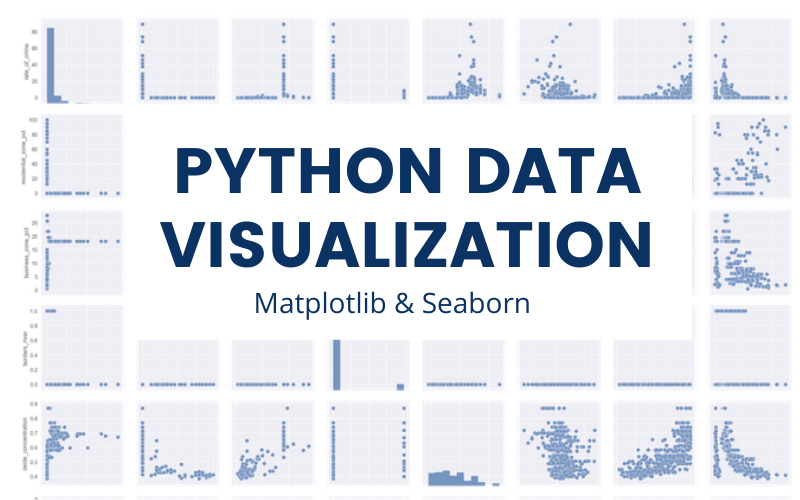
Data visualization is a crucial aspect of data analysis. Matplotlib and Seaborn, two popular Python libraries, offer a wide range of tools for creating captivating and informative visualizations. Matplotlib provides a flexible interface for creating static, animated, and interactive plots, while Seaborn offers a high-level interface that produces aesthetically pleasing statistical visualizations. Together, these libraries allow data scientists to present their findings effectively and communicate insights to stakeholders.
Machine Learning with Scikit-Learn

Python's dominance in the data science realm is further solidified by Scikit-Learn, a robust machine learning library. Scikit-Learn provides a comprehensive set of tools for various machine learning tasks, including classification, regression, clustering, and dimensionality reduction. With its consistent API and extensive documentation, Scikit-Learn simplifies the process of training and evaluating machine learning models. It also facilitates integration with other libraries, making it a go-to choice for both beginners and experienced data scientists.
Advanced Python Libraries and Applications for data science
Python's data science capabilities extend far beyond the core libraries mentioned above. TensorFlow and PyTorch, popular deep learning frameworks, enable data scientists to build and train complex neural networks. Natural Language Processing (NLP) libraries like NLTK and spaCy empower analysts to extract insights from text data. Other libraries such as SciPy, StatsModels, and NetworkX cater to specific domains and provide specialized functionality.
Conclusion
Python has revolutionized the field of data science by providing an accessible and powerful toolset for data analysis and manipulation. Its simplicity, extensive libraries, and thriving ecosystem make it an ideal choice for professionals seeking to unlock the potential of data. Whether you are a beginner or an experienced data scientist, Python's versatility ensures that you can tackle various data-related tasks efficiently and effectively. By embracing Python for data science, you open the doors to a world of insights and opportunities for your organization.

0 Comments